


Filtration in Carbon Capture: Why It Matters
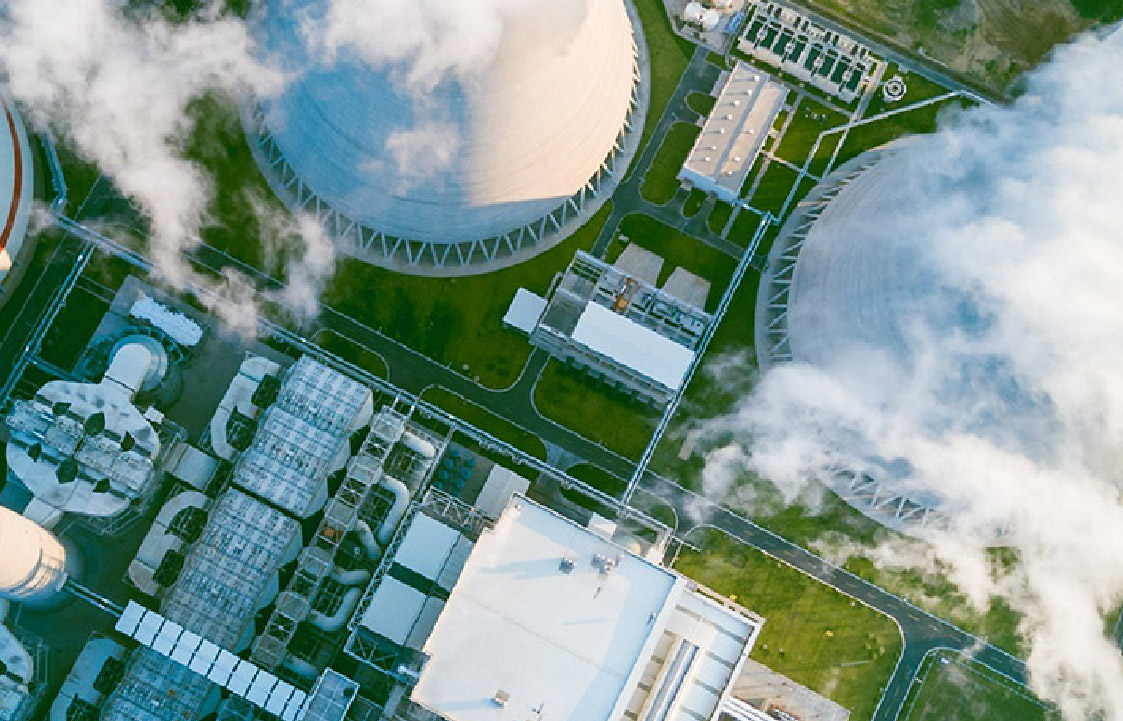
Carbon capture capacity is projected to grow from 50 million tonnes of CO₂ per year today to over 430 million tonnes by 2030. Meeting that target requires every part of the process to work reliably and cost-effectively, including filtration.
Both post-combustion capture and Direct Air Capture rely on amine or alkaline solvents to absorb CO₂. Over time, these solvents accumulate salts and particulate matter that shorten solvent lifetime, increase operating costs, and cause fouling, plugging, and unplanned downtime. Without effective solid-liquid separation, carbon capture systems cannot scale.
DrM has been supplying filtration technology to gas sweetening and carbon capture applications for decades. This article explains what makes filtration indispensable, and what proven solutions look like in practice.
DrM's FUNDABAC® and CONTIBAC® candle filters are widely applied in carbon capture and gas sweetening, with more than 80 installations proven in both pilot and full-scale plants.
The CONTIBAC® delivers continuous or semi-continuous operation with back-washable elements that regenerate in place without replacement, ensuring uninterrupted processing and high solids capture with clear filtrate.
The FUNDABAC® handles challenging separations with precoat and body feed options, patented heel volume filtration to minimise solvent and product losses, and optional cake washing for high solids purity. Both are fully enclosed, closed-system designs for safe and reliable operation. They extend solvent life, cut waste volume and disposal costs, improve uptime, and lower operating costs compared to disposable cartridges.