



Safe long-distance transport of hydrogen using iron oxide.
When the storage system is loaded, the water steam produced can easily be condensed and fed back into the electrolysis process. This reduces water consumption by up to 40%, cutting H₂ production costs by up to 30%. In stationary applications – where H₂ is stored and reused on site – a closed water loop can be created, with a water-saving potential of up to 90%.
Reduced water consumption is especially valuable in arid regions, benefiting the water supply for local communities, agriculture and businesses, as well as the surrounding ecosystem.
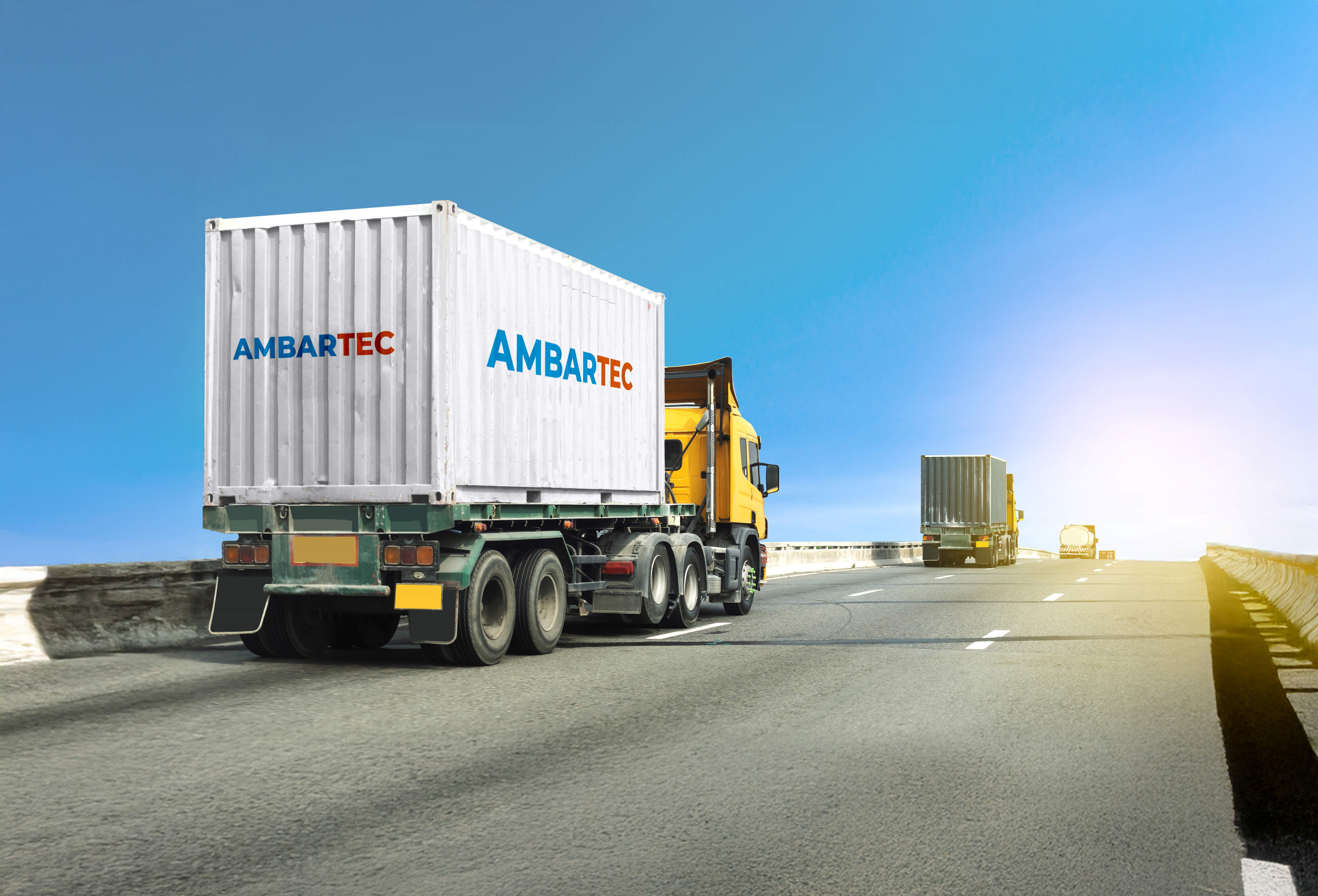
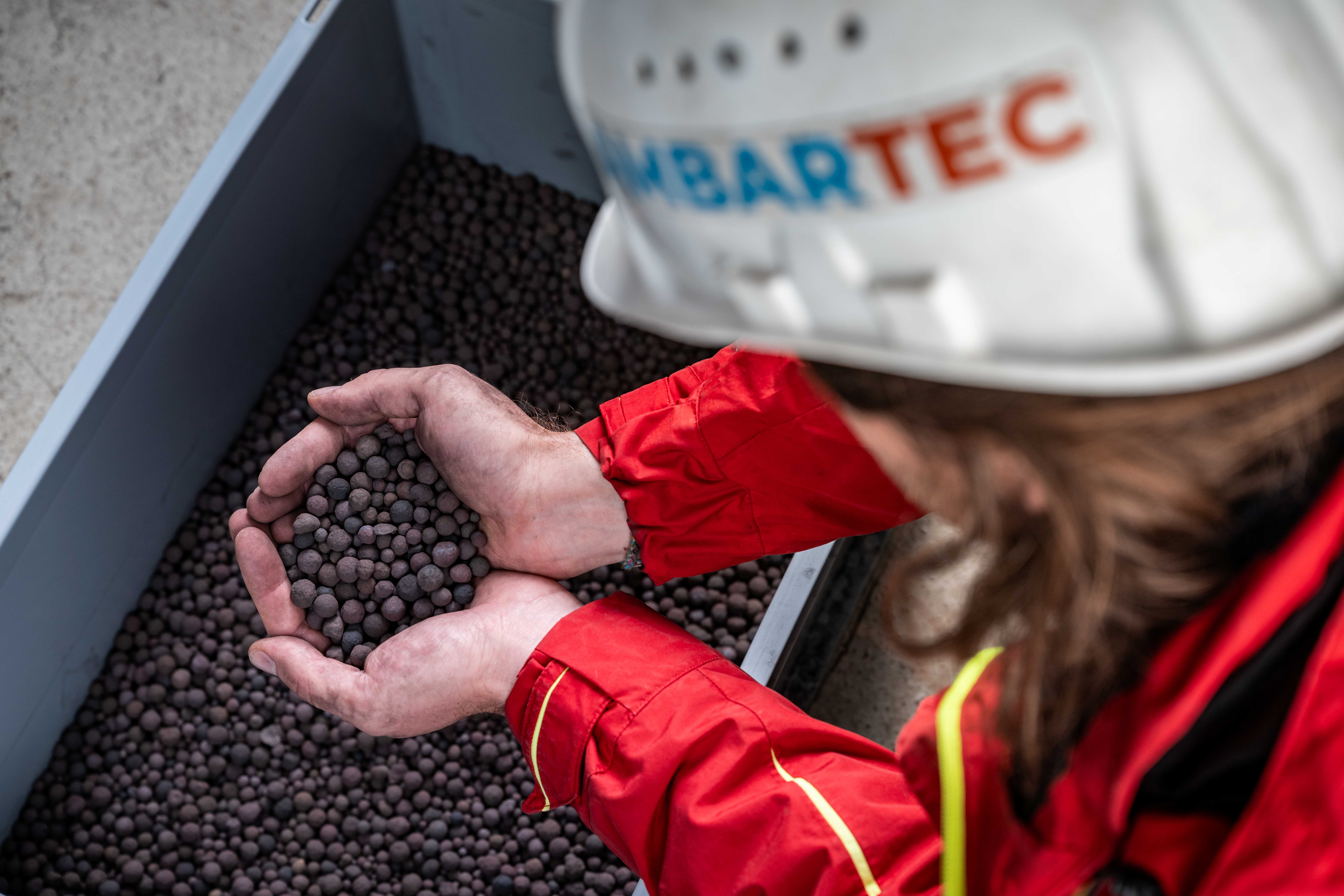
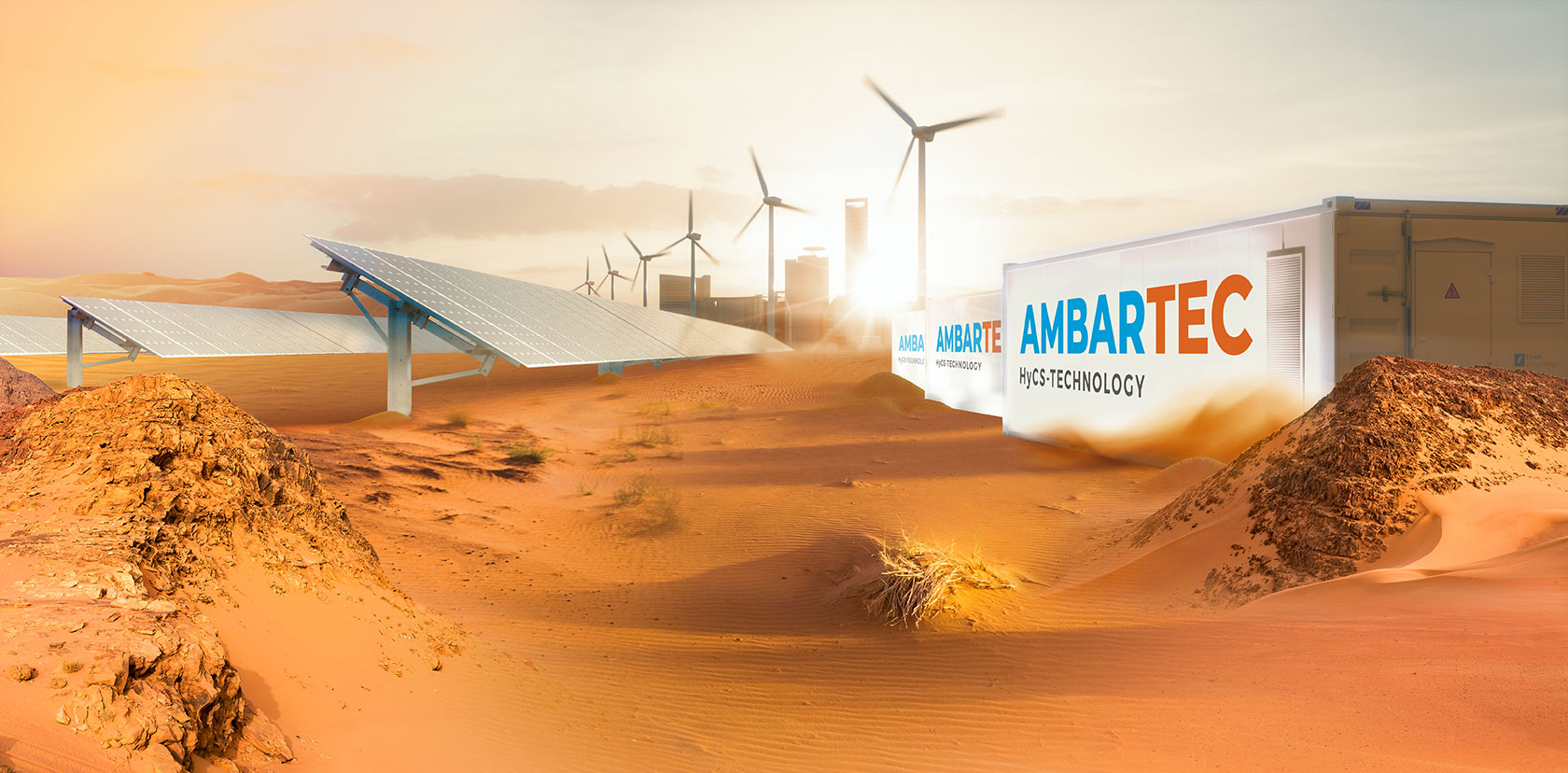
Once loaded, the storage units contain iron only – no H₂ can escape. This means no special infrastructure or additional safety measures are required: the units can be installed in standard 20' containers. There is no need for costly, time-consuming construction work at harbours or ship retrofitting. The storage systems are transported and handled using standard, technically mature and cost-efficient logistics – crane, ship, truck or train.
Benefits
Transport via standard logistics (crane, ship, truck, train)
100% higher efficiency in long-term electricity storage
~80% efficiency for the "electricity-to-H₂ after storage" process (via SOEC integration)
Up to 30% lower H₂ production costs
50% less space required for H₂ storage
Up to 90% less water needed during storage charging
No hazardous goods
Simpler, faster permitting procedures
Market-available, low-cost materials
Fast loading/unloading