





SydroNEXUS™ Electrolyte Barrier — SOFC & SOEC Interface Coatings
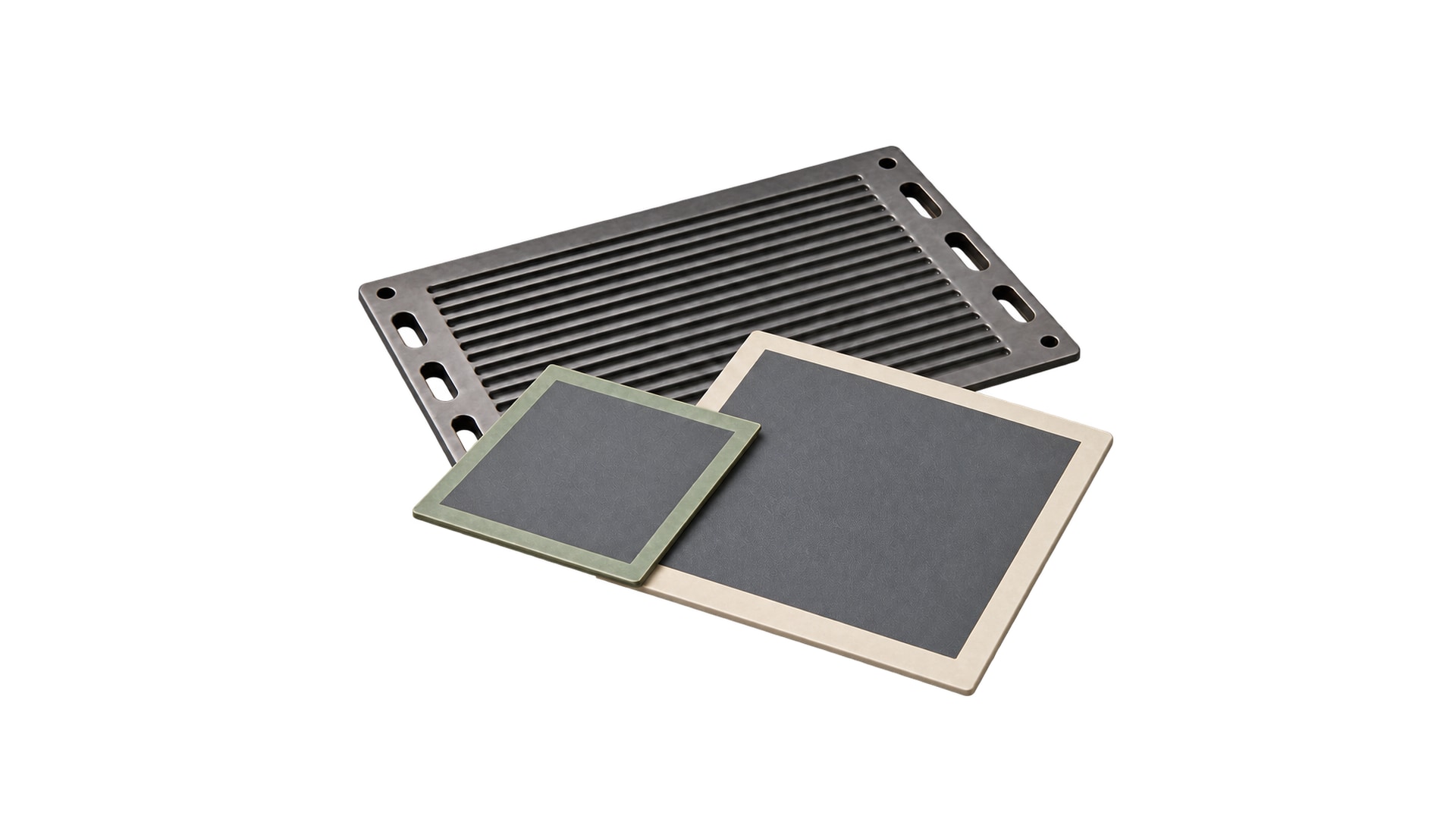
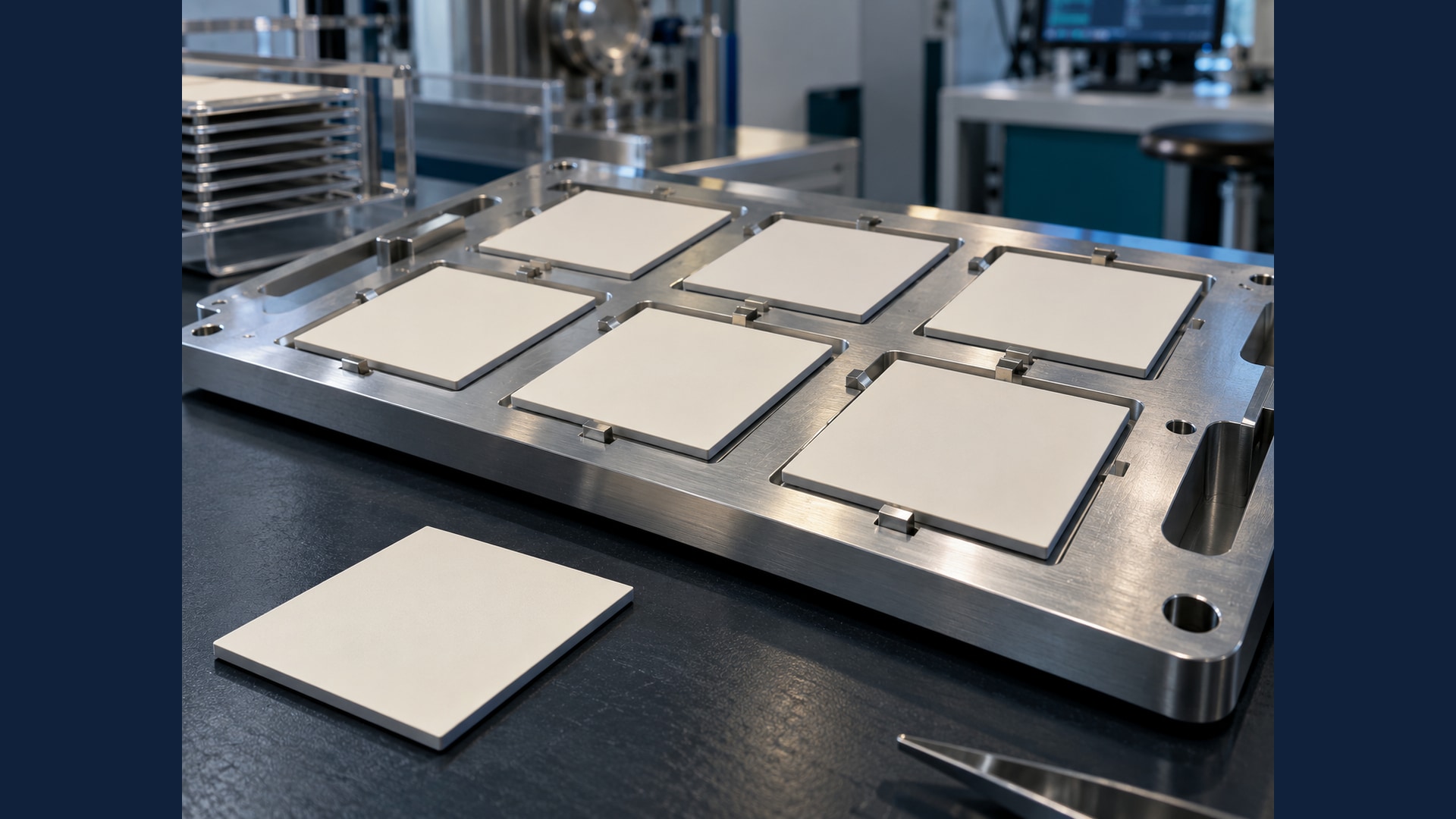
Unwanted reactions between electrode, electrolyte and adjacent materials can form insulating phases that increase resistance. SydroNEXUS™ Electrolyte Barrier introduces a thin ceramic layer to separate incompatible chemistries and limit interdiffusion at these critical solid oxide cell interfaces.
Customisable material routes include gadolinium-doped ceria (GDC) and yttria-stabilised zirconia (YSZ). Current development capability covers ceramic and metal-supported ceramic substrates up to 20 × 30 cm, with barrier coating thicknesses up to 3 μm. Material choice and layer arrangement are developed around the substrate, neighbouring materials and processing and operating conditions.
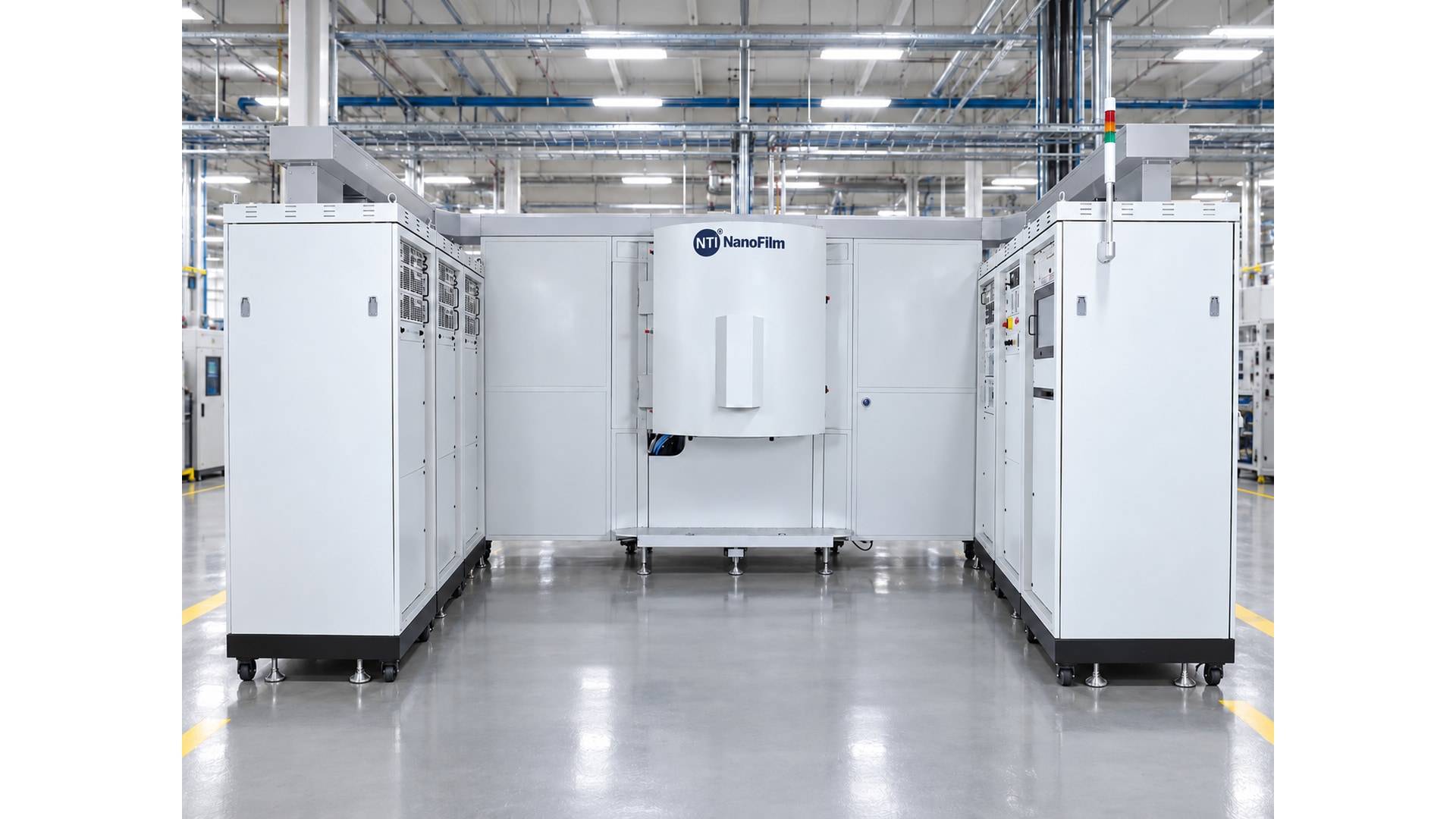
PVD provides control of film thickness, composition and microstructure to support continuous coverage and repeatable deposition. For SOFC and SOEC manufacturers, that offers a route to evaluate interface compatibility alongside the manufacturing consistency needed as component volumes increase.
Bring your cell architecture, adjacent material chemistries and target interface performance to Sydrogen. The team can define representative samples and an evaluation plan, then consider coated-component supply or selected process transfer once the coating requirements are established.