


New injector developed for hydrogen and other alternative fuels
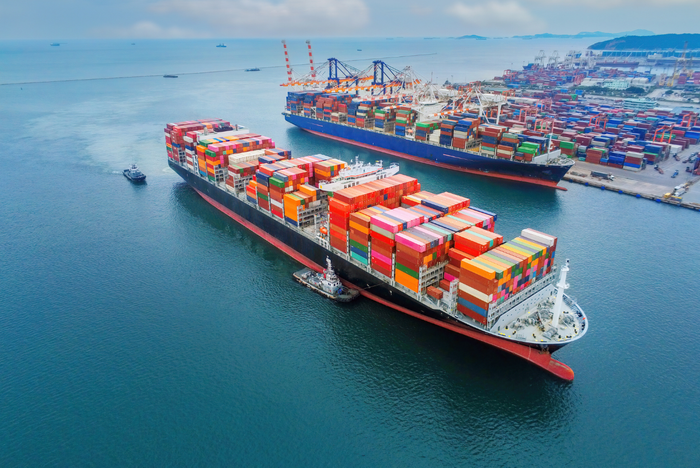
Shipping accounts for about 80 percent of global freight traffic, but at the same time is responsible for two to three percent of global CO2 emissions. As a supplier of injection systems for marine engines, Bosch is working with partners to develop technologies that enable the use of alternative fuels in ships. In doing so, the company aims to contribute to achieving the climate goals of the International Maritime Organization (IMO), which call for net-zero greenhouse gas emissions by 2050.
Injector designed for hydrogen and other fuels
One of Bosch’s developments is a new injector for alternative fuels. Until now, the company’s injection systems have mostly operated with diesel or diesel-based fuels. The new injector, however, can be operated with hydrogen, methanol, ethanol, and ammonia, among other fuels.
“Our development efforts are now focused on injection and blow-in components for liquid and gaseous alternative fuels,” explained Dr. Stefan Schenk, who is responsible for the “Large Engines” product area within Bosch’s “Power Solutions” division.
Suitable for different applications
The injector’s design can be adapted to suit the specific application. It can be used for both intake manifold injection and low-pressure direct injection. It is currently undergoing testing with Asian customers.
Current development challenges related to methanol use include optimized combustion processes, reliable cold-start capability, as well as material compatibility and wear resulting from altered lubricity. Without appropriate modifications, existing products are not suitable for methanol or ammonia applications.
Bosch also offers special injection valves for the gaseous injection of natural gas, hydrogen, or ammonia into the intake manifold.
New methanol infrastructure in Hallein
To further advance these developments, the company commissioned a methanol infrastructure at its Hallein development site in Austria in July. It invested a total of 52 million euros in the project. Within the entire corporate group, the site serves as the global center of excellence for large-engine injection systems. The systems developed there are intended to enable the use of alternative fuels such as methanol, hydrogen, or ammonia in large-scale applications, including shipping, rail transport, and stationary power generation facilities.
(Source: Robert Bosch GmbH/2026)